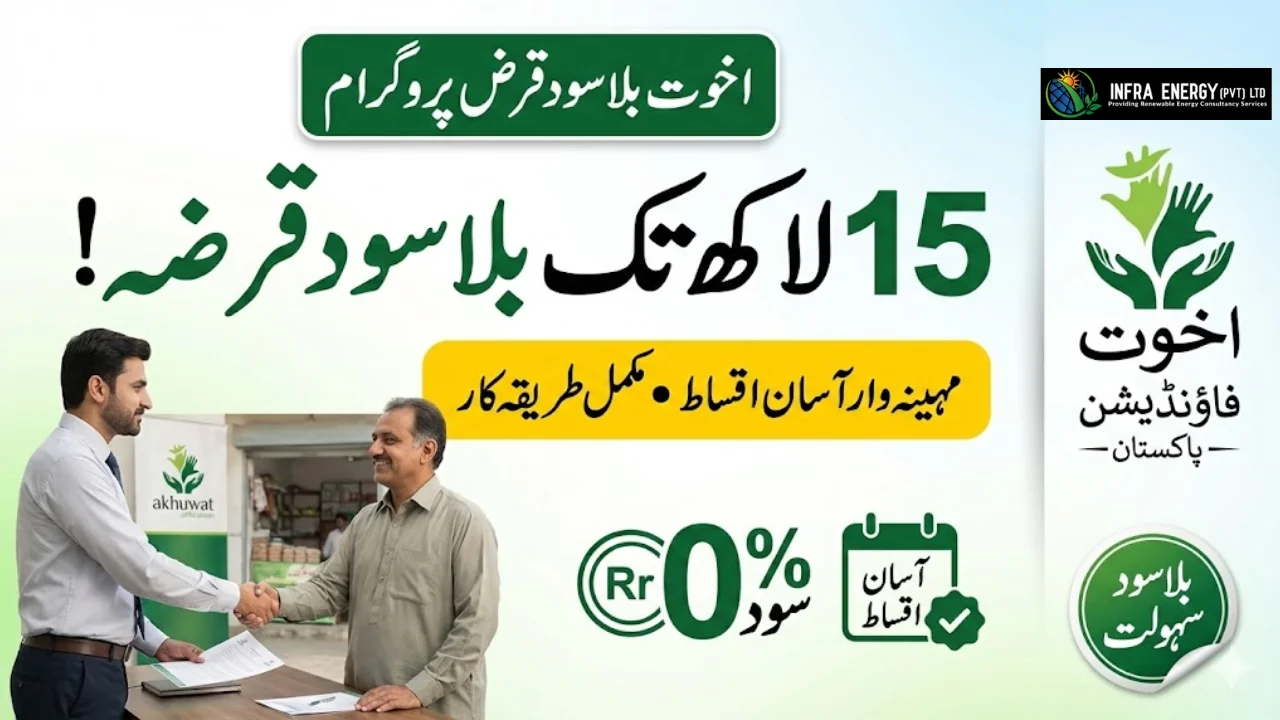
At a time when rising living costs and limited access to affordable credit continue to pressure low-income households, Akhuwat’s interest-free microfinance model is emerging as a powerful source of relief across Pakistan. Through a people-supported system built on trust and social responsibility, Akhuwat has steadily expanded its reach, helping millions of families meet basic needs and build sustainable livelihoods without the burden of interest.
This article explains what Akhuwat has achieved so far, how its model works, who benefits most, and why this expansion matters for Pakistan’s social and economic stability.
What Is Akhuwat’s Interest-Free Microfinance Program
Akhuwat operates Pakistan’s largest interest-free microfinance program, providing small loans to financially vulnerable individuals without charging interest. The goal is not profit, but empowerment—allowing families to start or expand small businesses, manage emergencies, and regain economic independence.
Unlike conventional microfinance, Akhuwat’s system relies on community trust, shared responsibility, and donor support, making it accessible to people who are often excluded from formal banking.
How Wide Is Akhuwat’s Reach Across Pakistan
According to official information shared at a recent gathering in Lahore, Akhuwat has now provided interest-free micro-loans to more than four million families across the country.
This nationwide reach covers:
-
Urban low-income communities
-
Rural households with limited banking access
-
Small entrepreneurs and daily wage earners
-
Families facing short-term financial shocks
The scale of this outreach places Akhuwat among the most impactful social finance initiatives in Pakistan.

Exceptional Loan Recovery Rate – Why It Matters
One of the most striking aspects of Akhuwat’s model is its loan recovery rate of 99.9 percent. This figure is exceptionally high, even by international microfinance standards.
What This Recovery Rate Shows
-
Borrowers value trust-based support
-
Community-driven accountability is effective
-
Interest-free lending does not reduce repayment discipline
-
The model is financially sustainable
This performance challenges the common belief that interest is necessary to ensure loan recovery.
Leadership Vision Behind the Program
Speaking at the Lahore event, Akhuwat’s Founder and Chairman, Dr. Muhammad Amjad Saqib, highlighted that the success of the program is rooted in ethical values and collective responsibility.
He emphasized that Akhuwat’s work is made possible through:
-
Donor trust and participation
-
Community involvement
-
Transparent systems
-
A focus on dignity rather than charity

This vision has helped the organization scale without compromising its core principles.
Beyond Microfinance – Akhuwat’s Education Support
Akhuwat’s impact extends beyond financial assistance. The organization is also investing in free, high-quality education for deserving students, addressing long-term poverty through learning and opportunity.
Akhuwat College Kasur
-
Provides free education
-
Offers residential facilities
-
Supports hundreds of deserving students from across Pakistan
Akhuwat Women College Chakwal
-
Dedicated to female students
-
Offers free education and accommodation
-
Encourages women’s empowerment through higher education

These institutions reflect Akhuwat’s belief that sustainable change requires both economic and educational support.
Who Benefits the Most From Akhuwat’s Expansion
Akhuwat’s growing network benefits a wide range of people who are often underserved by traditional systems.
Primary Beneficiaries
-
Small shop owners and home-based workers
-
Women entrepreneurs
-
Rural families without bank access
-
Youth seeking financial stability
-
Students from low-income backgrounds
By focusing on inclusion, Akhuwat helps reduce inequality at the grassroots level.
Why Interest-Free Microfinance Is Important for Pakistan
Pakistan’s economy includes a large informal sector, where access to fair credit is limited. Interest-based borrowing often traps families in long-term debt cycles.
Key Advantages of Akhuwat’s Model
-
No interest burden
-
Lower financial stress
-
Encourages ethical repayment
-
Strengthens community bonds
-
Reduces dependency on exploitative lenders

This approach supports both economic activity and social cohesion.
Role of Donors and Civil Society
Akhuwat’s expansion would not be possible without donor contributions and civil society involvement. The organization operates on the principle that collective giving can create collective uplift.
The recent Lahore gathering, attended by donors and community representatives, reinforced the shared responsibility behind the program’s success.
What This Expansion Means for the Future
As Akhuwat continues to expand, its model offers valuable lessons for poverty alleviation and inclusive finance in Pakistan.
Long-Term Impact
-
Greater financial inclusion
-
Reduced poverty-related vulnerability
-
Empowered small entrepreneurs
-
Increased access to education
-
Stronger social trust

Sustained support and responsible scaling will be key to maintaining impact.
Common clarity for readers
Does Akhuwat charge any interest or hidden fees?
No. All loans are strictly interest-free.
Is the program limited to certain cities?
No. Akhuwat operates across Pakistan.
How are loans repaid without pressure?
Repayment is based on trust, community responsibility, and dignity.
Conclusion
The expansion of Akhuwat’s interest-free microfinance support across Pakistan highlights a rare success story built on ethics, trust, and social cooperation. By reaching over four million families with a 99.9 percent recovery rate, and by investing in free education for deserving students, Akhuwat demonstrates that sustainable development is possible without exploitation.
As economic challenges persist, models like Akhuwat’s offer a hopeful path—one where financial support restores dignity, strengthens communities, and builds a more inclusive future for Pakistan.
Latest Updates